
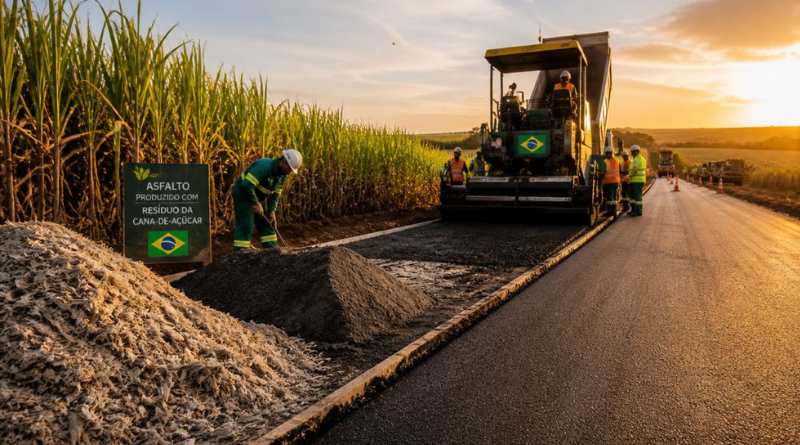
Brazil Reuses Bagasse for Eco-Friendly Roads
Brazilian researchers evaluate the use of sugarcane bagasse ash in asphalt mixtures, combining waste reuse, pavement engineering, and technical performance in an experimental section in Paraná.
Sugarcane bagasse ash, formed after the burning of bagasse used in energy production, was evaluated by researchers from the State University of Maringá, in Paraná, as a partial substitute for mineral filler, a fine material used in asphalt composition.
In the experiment, this residue replaced 5% of the total mineral aggregates in an asphalt-rubber mixture, a technology used in pavements subjected to heavy traffic.
How sugarcane ash enters asphalt
Its function is to occupy part of the fine fraction of the mixture, in place of traditional mineral material.
This fine portion helps fill spaces between aggregates, interferes with the internal adhesion of the asphalt mass, and can alter the pavement’s resistance to deformation.
In the study, the ash presented smaller particles, a more irregular surface, and lower density compared to conventional filler.
Conab estimated the Brazilian 2025/2026 harvest at 673.2 million tons of sugarcane, a volume that keeps the crop among the main bases of the national agribusiness. This context explains researchers’ interest in finding technical uses for byproducts linked to the sugar-energy chain.
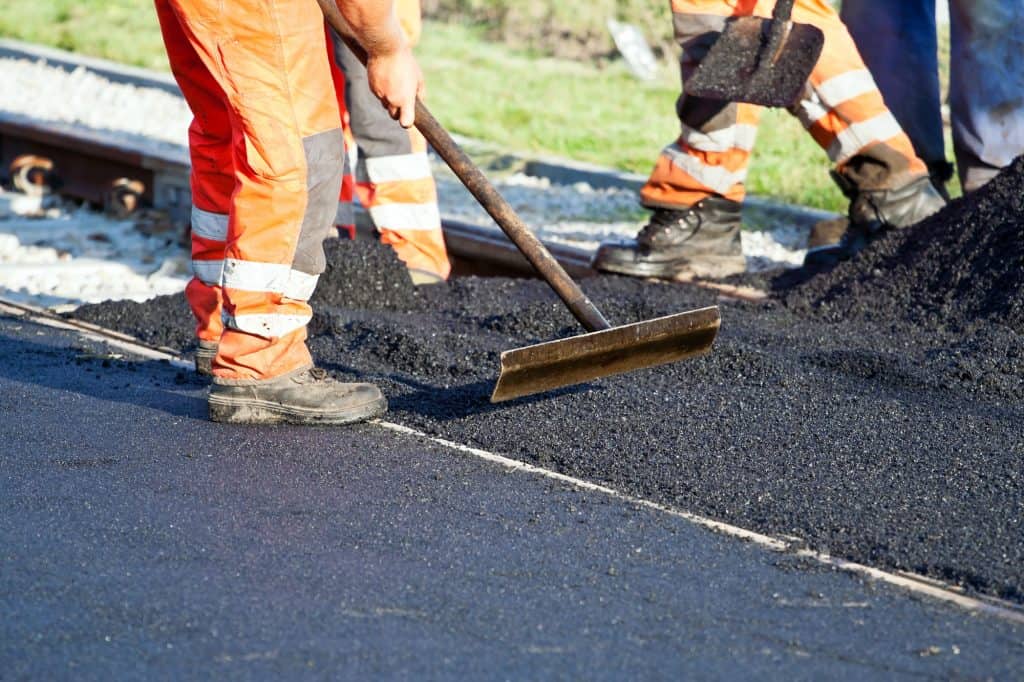
Sugarcane Asphalt Test in Paraná
After the laboratory stage, the modified mixture was applied to an experimental section of BR-158, between Campo Mourão and Maringá, in Paraná.
In an interview with the Estradas portal, Hipólito stated that the experiment demonstrated positive results in mechanical performance, in addition to contributing to reducing the use of mineral aggregate and the cost of the asphalt mixture.
The technical data reported in the research indicated gains in different tests. In the laboratory, the ash mixture recorded a 40% increase in Marshall stability and a 22% increase in the indirect tensile test.
In field samples, there was an 18% increase in resilient modulus, a 73% increase in Flow Number, and a 28% reduction in the permanent deformation rate over 10,000 cycles in the dynamic creep test. Another test, the Hamburg Wheel Tracking Device, indicated an 11% reduction in permanent deformation over 20,000 cycles.
These indicators are used to measure how the mixture reacts to repeated traffic pressure, especially on roads that receive heavy vehicles. Therefore, the results are of interest to pavement engineering, although they do not replace the need for long-term monitoring.
Less mineral extraction and more waste utilization
The environmental aspect of the proposal lies in utilizing a material that remains after burning sugarcane bagasse. This bagasse is typically used by the mills themselves as biomass for energy generation.
After combustion, ash remains, which can have different destinations depending on its composition, available volume, and logistical feasibility.
By replacing a portion of mineral filler, the ash can reduce the demand for materials extracted from quarries, such as stone dust.
This reduction, however, depends on the proportion used in the mixture, the distance between the mill and the construction site, the quality control of the waste, and the technical requirements of the project.
The study also indicates a possibility of higher value-added use for a byproduct of the sugarcane chain.
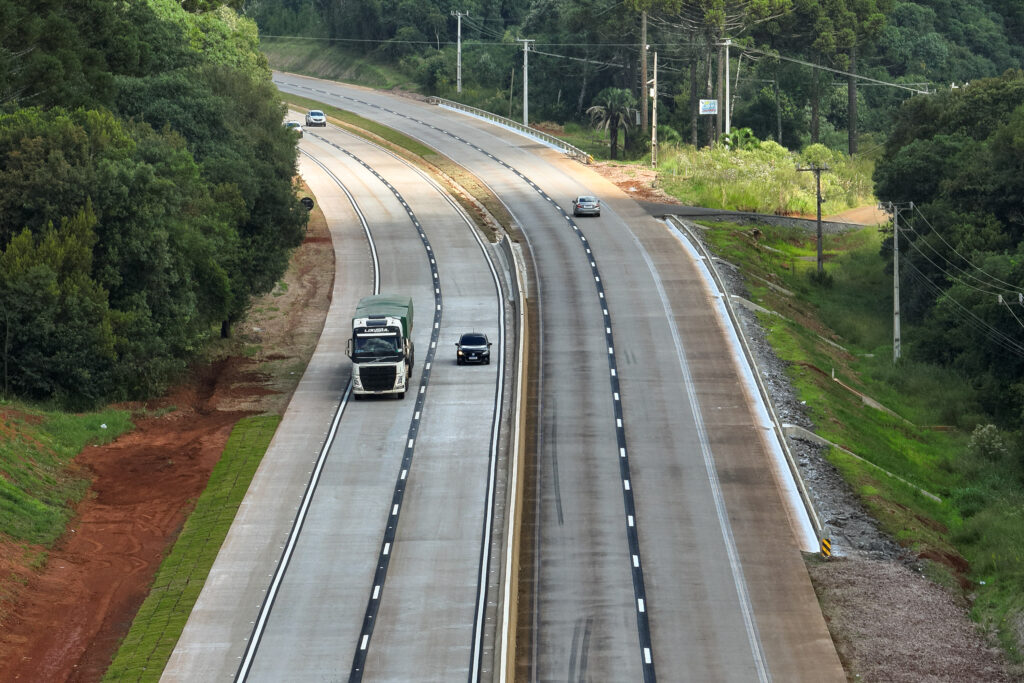
Research still requires monitoring on roadways
Brazilian research shows technical feasibility for a specific mixture, with a defined ash content, a determined type of binder, and specific execution conditions.
This specific focus is important to avoid a broader interpretation than the data allows. To date, the available information indicates experimental application, not generalized commercial use on Brazilian roads.
Asphalt remains a conventional mixture, formed by mineral aggregates, asphalt binder, and other components.
For civil engineering, the advance reported in the study fits into a research line that seeks to incorporate industrial and agro-industrial waste into construction materials.
In the case of sugarcane, national availability increases scientific interest, but it does not eliminate stages such as validation in different regions, durability analysis, economic evaluation, and compatibility with machining processes. The behavior of the pavement over the years is still a central point.
Laboratory tests and experimental sections provide initial data, but large-scale adoption depends on continuous monitoring and comparison with already established mixtures.
It shows that a residue from sugarcane energy production can be incorporated into a part of the asphalt mixture and demonstrate technical performance under controlled conditions and in an experimental section.


