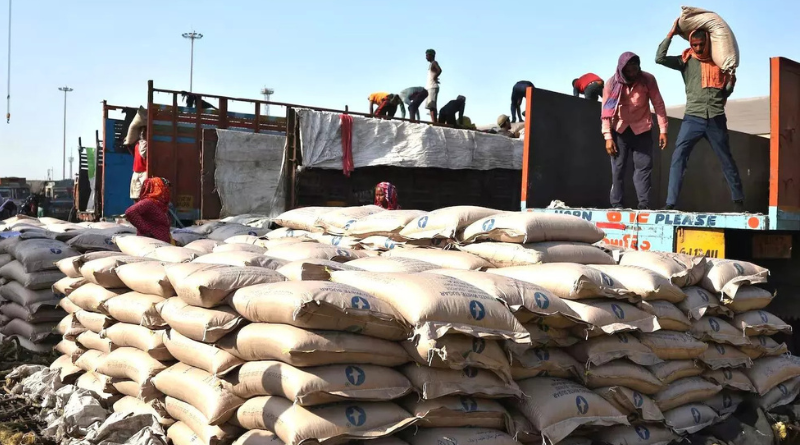
Pakistan Sugar Mills Face Losses, Push to Export 800,000 Tons of Surplus Sugar
Pakistan’s sugar industry has reported losses of Rs98 billion (US$1.03B) amid a surplus of 1.3 million tonnes and a decline of up to 25% in domestic sugar prices over the past year, prompting the Pakistan Sugar Mills Association (PSMA) North Zone to seek approval to export an additional 800,000 tonnes.
Citing weekly data from the Pakistan Bureau of Statistics (PBS), the association said falling prices had made it increasingly difficult for mills to recover production costs and meet financial obligations.
PSMA North Zone spokesperson said the industry had repeatedly urged the government to approve timely exports of surplus sugar following the closure of the 2025-26 crushing season.
However, delays in policy decisions had left substantial inventories unsold, increasing storage expenses, financing costs and interest payments on bank borrowings used to hold stocks.
The association said at least 12 sugar mills across Pakistan had already shut down because of mounting losses, while several others faced the risk of closure. It warned that the financial pressure could delay the start of the 2026-27 crushing season and weaken mills’ ability to offer remunerative prices to sugarcane farmers.
Pakistan is entering the new crushing season with an estimated sugar surplus of 1.3 million tonnes. Industry production is projected to reach approximately 8.5 million tonnes in the coming season, according to the PSMA.
To address the surplus, the association has urged the federal government to approve exports of another 800,000 tonnes, in addition to the 200,000 tonnes already authorised. It said exporting at least one million tonnes would help reduce inventories and improve the industry’s financial position.
The association has also called for complete deregulation of the sugar sector, arguing that market forces should determine prices and guide commercial decisions.
It added that continued financial pressure could eventually force the country to import sugar to meet domestic demand, resulting in foreign exchange outflows rather than generating export earnings from surplus production.
The industry is seeking government intervention as it prepares for another crushing season amid elevated inventories, falling prices and mounting financial obligations.