
Banpu Expands Biomass Co-Firing in China, Targeting 148,000 Tonnes of Annual CO₂ Cuts
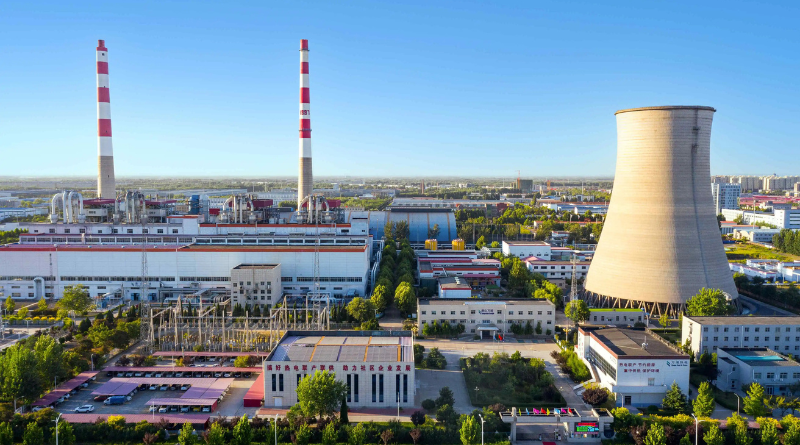
Banpu, a leading versatile energy company, is advancing biomass co-firing across three combined heat and power (CHP) plants in China, building on results achieved at Zhengding power plant and extending implementation to two additional plants. The projects are expected to deliver combined annual CO₂ emissions reductions of approximately 148,000 tons by 2027, demonstrating the potential to reduce emissions while creating greater business value from existing assets.
Banpu’s China CHP plants supply electricity to the power grid and steam to industrial customers, while also supporting residential heating in local communities during winter. By incorporating locally sourced biomass residues into the fuel mix, biomass co-firing offers an additional option for promoting the utilization of agricultural residues and managing fuel costs. The projects are part of the Company’s phased approach to maximizing asset value across its Power+ business pillar.
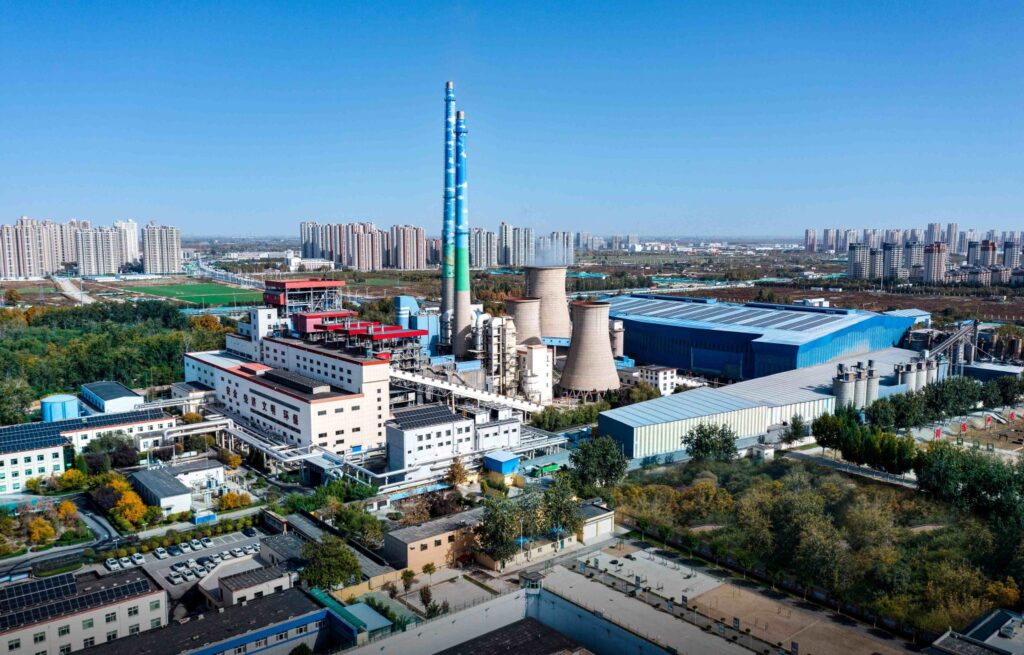
At Zhengding power plant, biomass co-firing commenced commercial operation in June 2025. As of September 2026, the project had achieved cumulative CO₂ emissions reductions of more than 47,000 tons. Using a 10% biomass blend with conventional fuel, the project is expected to reduce carbon emissions by approximately 70,000 tons per year in 2027 and generate fuel-cost savings of approximately RMB 1 million (equivalent to THB 4.7 million) through reduced conventional fuel consumption.
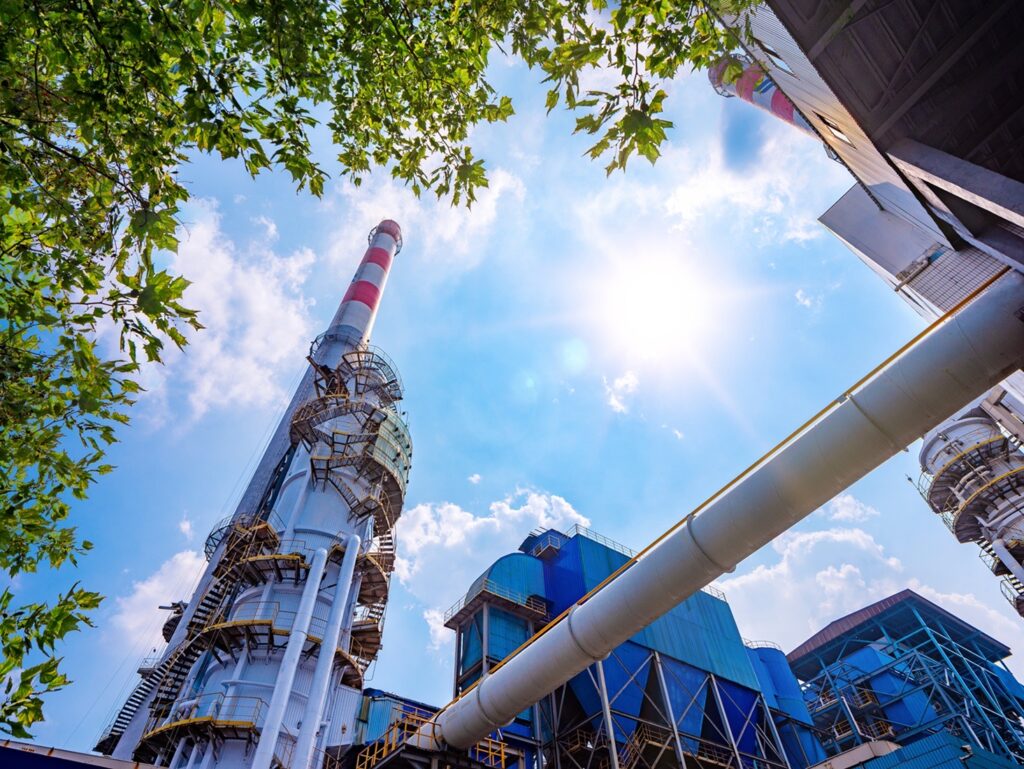
Building on the progress at Zhengding, biomass co-firing is also advancing at Zouping and Luannan, both targeting a co-firing ratio of 10%. At Zouping power plant, the biomass co-firing project has commenced operations and achieved cumulative CO₂ emissions reductions of nearly 10,000 tons as of September 2026. At Luannan power plant, construction is underway, with completion targeted by the end of 2026. Once operational, Luannan is expected to reduce CO₂ emissions by approximately 34,000 tons in 2027.
Mr. Sinon Vongkusolkit, Chief Executive Officer of Banpu Public Company Limited, said, “Our biomass co-firing program reflects Banpu’s disciplined approach to maximizing the value of existing assets. By optimizing the fuel mix at established CHP plants, we aim to improve operating-cost efficiency and manage carbon compliance while maintaining a reliable supply of heat and power for our customers.”

Chief Executive Officer of Banpu Public Company Limited
Banpu’s broader efforts to reduce carbon emissions and optimize its existing assets align with China’s policies encouraging businesses to control emissions. Under the country’s carbon emission allowances (CEAs) trading system, eligible companies that emit less than their allocated allowances may trade surplus allowances to companies seeking additional emissions allowances. This mechanism creates an incentive for businesses to manage their carbon emissions efficiently. In this context, Banpu’s broader carbon asset management activities in China, including High Efficiency, Low Emissions (HELE) operations, aim to achieve a CEA trading volume of 435,000 tons in 2026.
Banpu places importance on sustainability. Biomass co-firing is one of the initiatives supporting the Banpu Group’s target of reducing greenhouse gas emissions by more than 20% by 2030, reflecting the Company’s long-term commitment to sustainable growth.