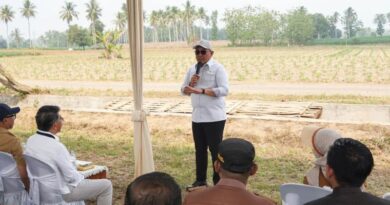
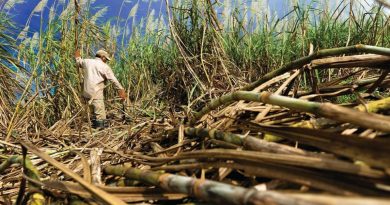
OCSB & CSE Launch Public Campaign to Promote the Project “Developing Sugarcane Entrepreneurs and Farm-Based Business Operators to Generate Additional Income from Sugarcane Varieties and Integrated Contract Farming Services.
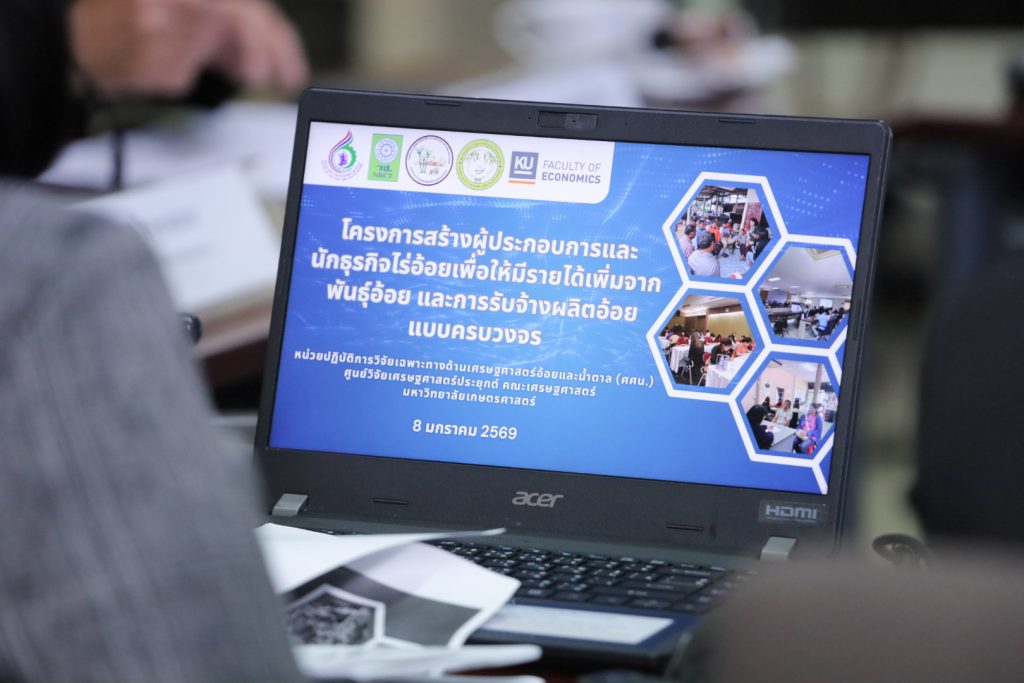
The Office of the Cane and Sugar Board (OCSB), along with the Specialized Research Unit on Cane and Sugar Economics (CSE) under the Center for Applied Economics Research, Faculty of Economics, Kasetsart University, has announced the results of the project “Developing Sugarcane Entrepreneurs and Farm-Based Business Operators to Generate Additional Income from Sugarcane Varieties and Integrated Contract Farming Services.” Asst. Prof. Dr. Thanaporn Athipanyakul, the project’s chief investigator, said the initiative serves as a pilot program aimed at transforming sugarcane farmers from traditional producers into entrepreneurs and farm-based business operators with managerial expertise. The program focuses on strengthening farmers’ capabilities in providing production, harvesting, and transportation services, as well as running sugarcane farm businesses in a systematic and professional manner, in line with the country’s long-term industrial development strategy.
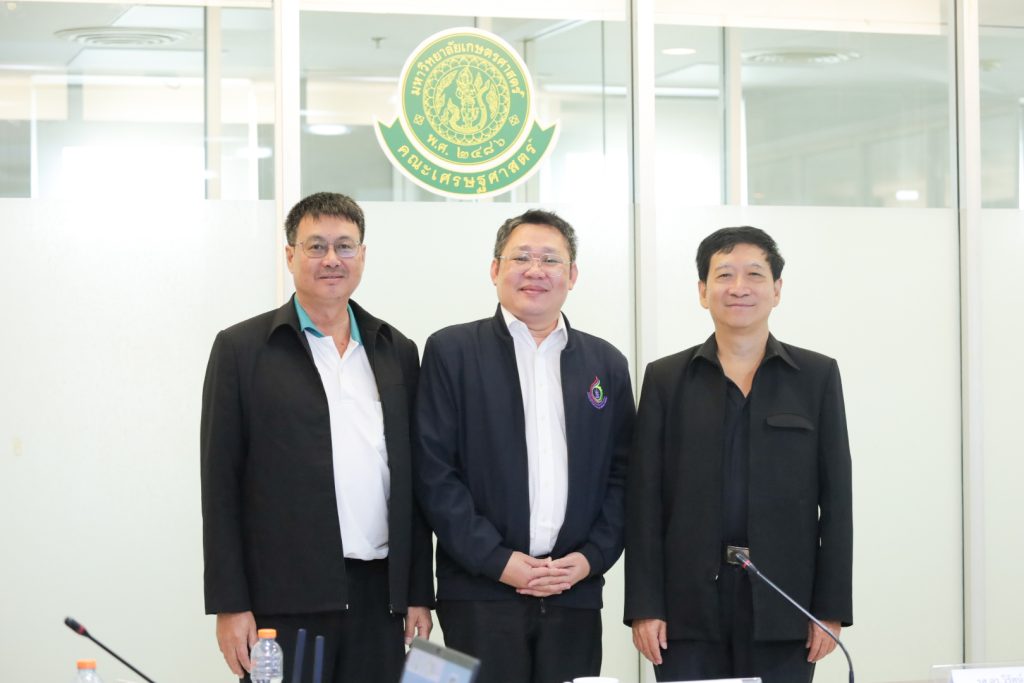
Mr. Thawat Hamarn, Director of the Strategy and Planning Division at the OCSB, said “the project is in line with the policy direction of the Ministry of Industry under the leadership of Dr. Natthapol Rangsitpol, Permanent Secretary of the Ministry of Industry, which aims to promote industrial growth alongside the strengthening of local communities and entrepreneurs. He noted that the OCSB had adapted this policy framework to guide the current development of the sugarcane and sugar industry. “The sector can no longer focus solely on production volumes or short-term returns,” he said. “Instead, greater emphasis must be placed on production structures, competitiveness, and the capacity of farmers in order to achieve sustainable, long-term growth.”
The project was therefore designed around the concept of “industry–community joint-development,” aiming to build a strong middle layer in the sugarcane production system by developing farm-based entrepreneurs capable of providing fully integrated services, while at the same time upgrading farmers to become genuine sugarcane business operators. The implementation process begins with the selection of sugar mills with high potential, followed by the screening of participating farmers and entrepreneurs. This is accompanied by training in academically grounded sugarcane production techniques and sugarcane farm business management skills, as well as the formation of groups and the linking of contracting and subcontracting roles within those groups, in order to create a fully integrated operation covering every stage of sugarcane production.
The project’s outcomes have demonstrated tangible success through sugarcane farm entrepreneurs, agri-business operators, and model groups that were able to develop and present comprehensive business plans using standard analytical tools such as SWOT analysis, the TOWS matrix, and the Business Model Canvas. These results highlight farmers’ growing capacity for strategic thinking, planning, and systematic business-oriented management of sugarcane production. The project’s success is therefore measured not merely by quantitative figures, but by the strength of its development process and the emergence of practical models that can be scaled up and replicated.
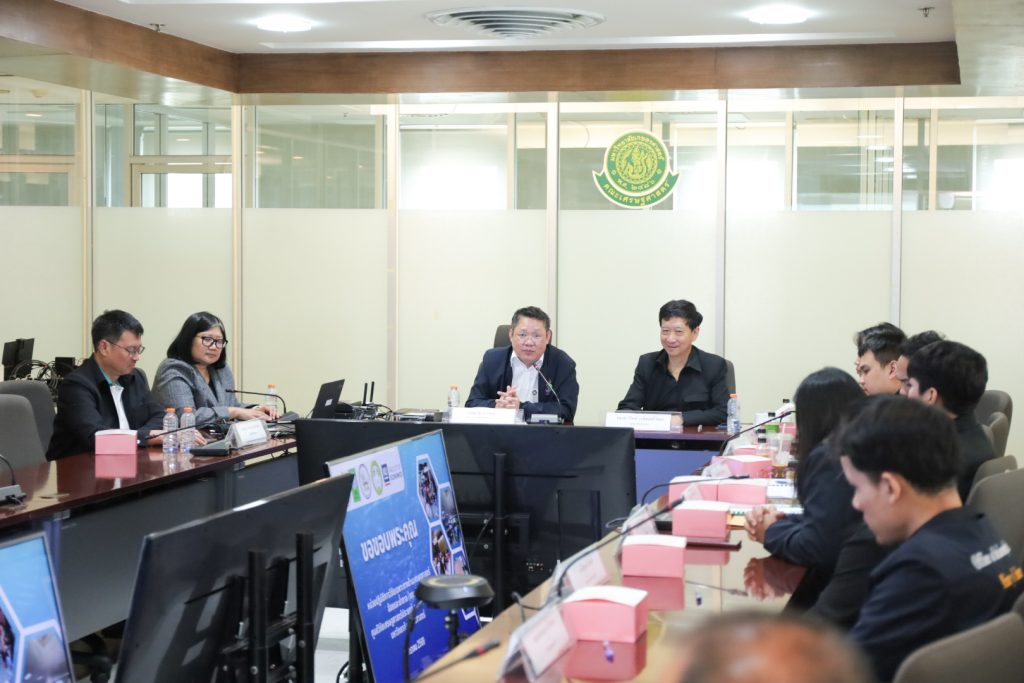
Mr. Thawat Hamarn added, “The model sugarcane entrepreneurs and farm-based business operators emerging from this project demonstrate that farmers are genuinely capable of adapting and upgrading their roles when they receive appropriate support in terms of knowledge, processes, and management,” the project team said. “These models will serve as a critical foundation for future policy development and can be expanded to other areas to improve production efficiency, reduce costs, and strengthen the sugarcane and sugar industry going forward.”
This round of implementation marks the starting point for developing practical sugarcane farm business models that can be put into real-world operation. It aligns with the Office of the Cane and Sugar Board’s policy to drive the Thai sugarcane industry toward stable growth, closer integration with local communities, and consistency with the country’s long-term industrial development direction.