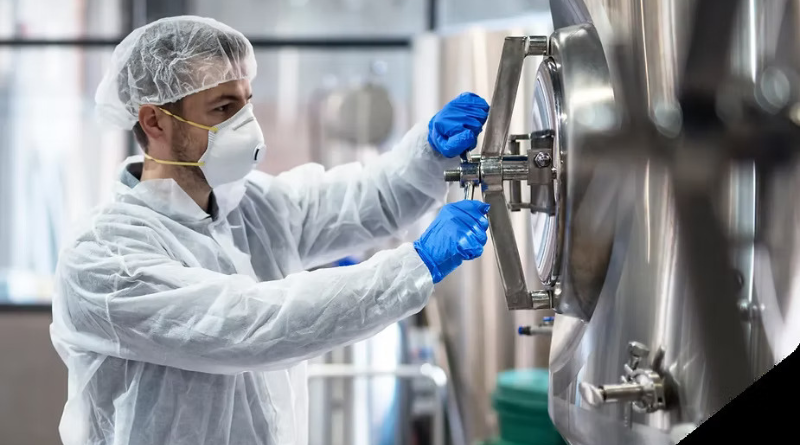
From Sugar Waste to Protein: Planetary Raises $28M to Scale Food-Tech Innovation
The global sugar industry generates substantial volumes of low-value processing residues every year.
Molasses, press liquors, and other byproducts are typically sold cheaply or disposed of with limited economic return.
Planetary, a Swiss fermentation company, has built its entire commercial thesis around changing that calculus.
Sugar’s Hidden Potential
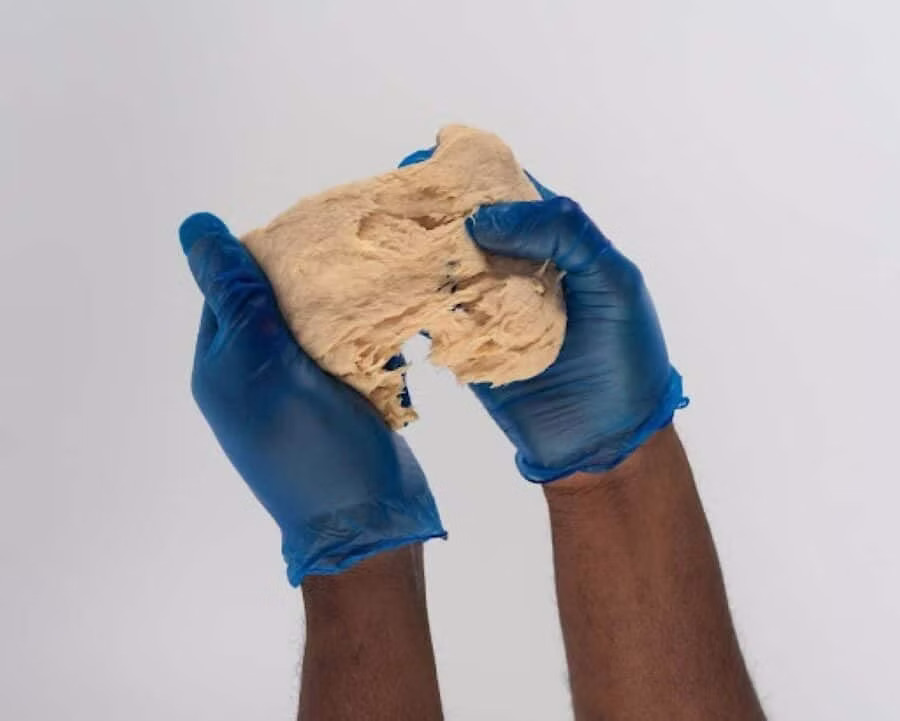
The company’s BioBlocks™ fermentation system, which has been listed by the World Intellectual Property Organisation’s WIPO GREEN initiative as an environmentally sound technology, allows sugar producers to upgrade these residue streams into food-grade proteins, dietary fibres, and functional enzymes.
Rather than building its own network of factories, Planetary licenses this technology directly to sugar processors, embedding itself within existing industrial infrastructure. It is a capital-light model with meaningful implications for how alternative proteins might eventually achieve price competitiveness with conventional equivalents.
A $28 Million Vote of Confidence
Planetary has now secured $28 million in new financing, comprising a $20 million Series A equity round and $7.5 million in credit. Total funding raised stands at approximately $40 million. Radikal Capital and Oetker Ventures led the round, joined by Royal Cosun, arc investors, Green Generation Fund, and AgriFoodTech Venture Alliance. Existing backers Astanor Ventures and XAnge also participated. A second closing is planned for later in the summer.
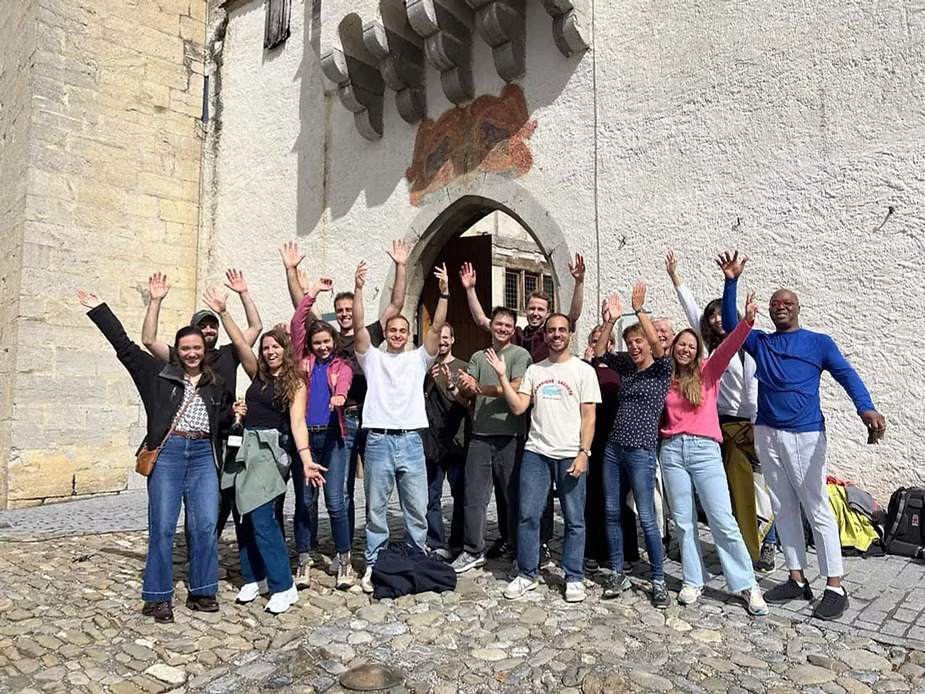
The composition of the investor group is notable. It spans agricultural cooperatives, food industry corporates, and venture funds, reflecting the cross-sector nature of a business model that sits simultaneously inside the sugar, fermentation, and food ingredients industries. Royal Cosun, a Dutch agricultural cooperative with deep roots in sugar beet processing, brings particular strategic relevance.
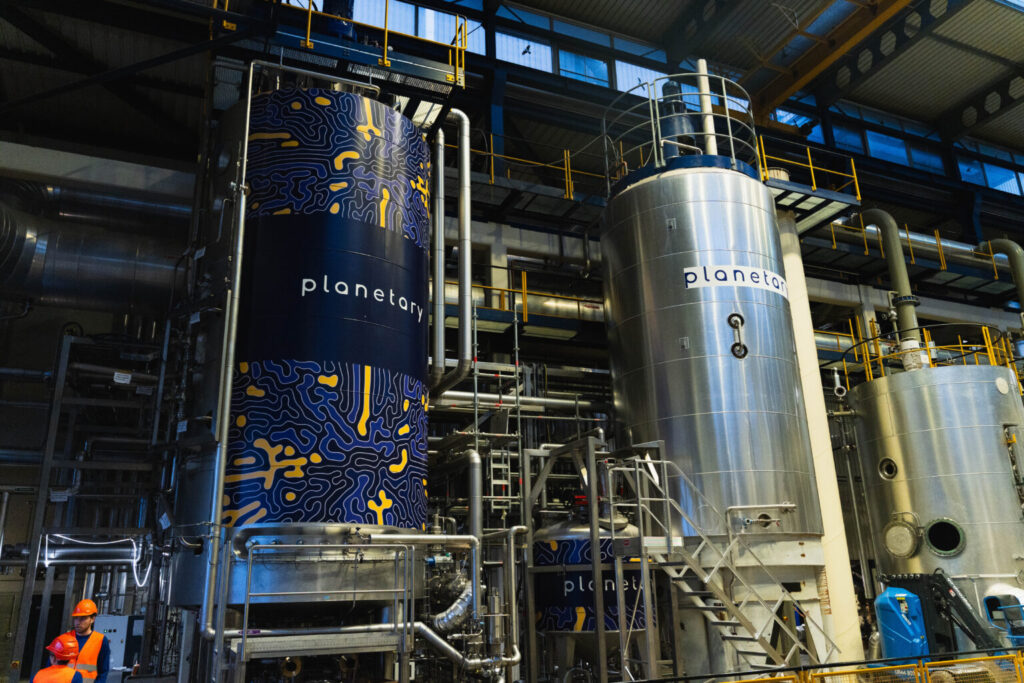
Industrial-scale production is already operational in Aarberg, Switzerland, co-located with sugar producer Schweizer Zucker. This co-location is not incidental; it illustrates the core logic of Planetary’s approach. By situating fermentation capacity directly alongside sugar processing, the company reduces both feedstock logistics costs and the capital required to build standalone facilities.
Co-founder and CEO David Brandes acknowledged the challenging fundraising environment, noting that securing investment outside artificial intelligence and defence now demands considerably more persistence than it did in previous years. He argued, however, that recent commodity price volatility and geopolitical uncertainty are reinforcing the commercial case for localised, circular food systems rather than undermining it.
From Fermentation Tank to Supermarket Shelf
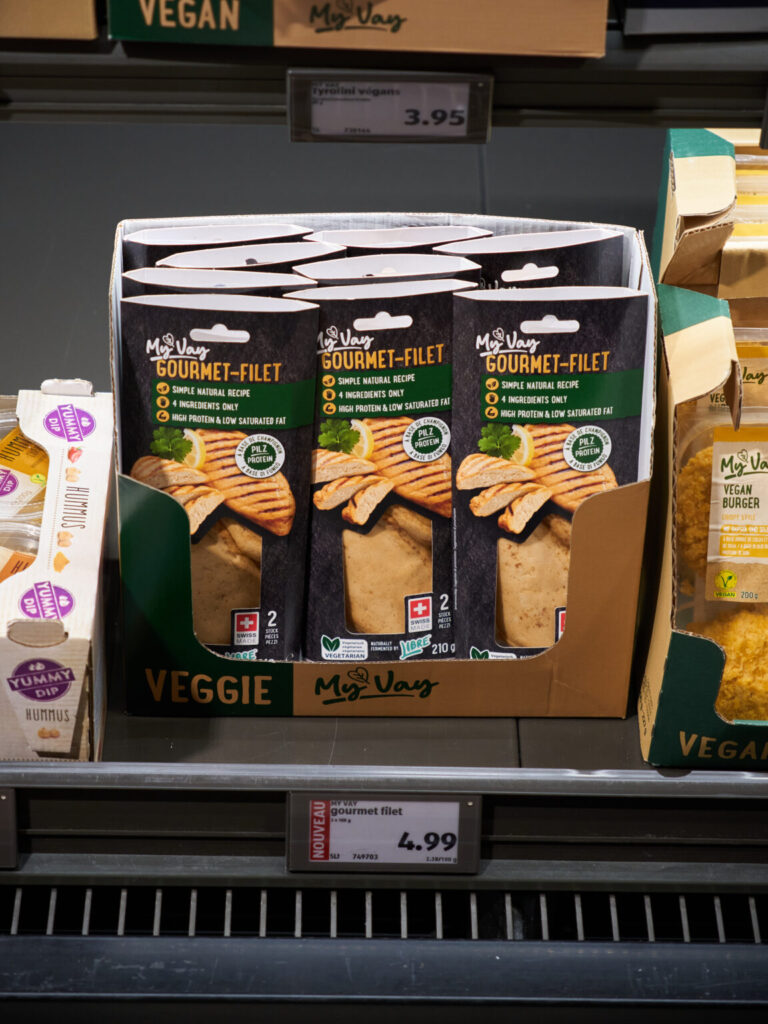
The company’s progress is not purely infrastructural. In 2025, Planetary launched a mycoprotein chicken filet at price parity with conventional chicken across 250 ALDI Suisse stores in Switzerland. Mycoprotein, produced through the controlled fermentation of fungi, yields a fibrous, protein-dense ingredient that can be textured to resemble whole-muscle meat. Achieving cost parity with conventional chicken, even at this relatively modest retail scale, represents a meaningful commercial signal in a sector where price has long been cited as the primary barrier to mainstream adoption.
Planetary is now extending its business-to-business brand, Libre, across Europe. Target applications include alternative meat, dairy alternatives, meat hybrid products, fibre-enriched foods, and protein fortification. The breadth of that portfolio reflects a deliberate decision to avoid over-reliance on any single product category, a lesson the alternative protein industry has absorbed after years of watching plant-based meat sales plateau in several Western markets. The consolidation now reshaping the mycelium materials sector underlines how quickly momentum can shift when commercial conditions tighten.
Looking beyond Europe, Planetary is targeting mycoprotein production costs below $1 per kilogramme through licensing partnerships in sucrose-rich, protein-deficient regions. India has been identified as a priority geography, a market where sugar cane processing generates abundant fermentation feedstock and where protein demand from a large and growing population remains structurally undersupplied. This intersection of circular protein economics and emerging-market demand is increasingly where serious capital is looking for returns.