Thai Ethanol Industry Ready for E20 as 28 Plants Offer 7.2 Million Litres/Day Capacity
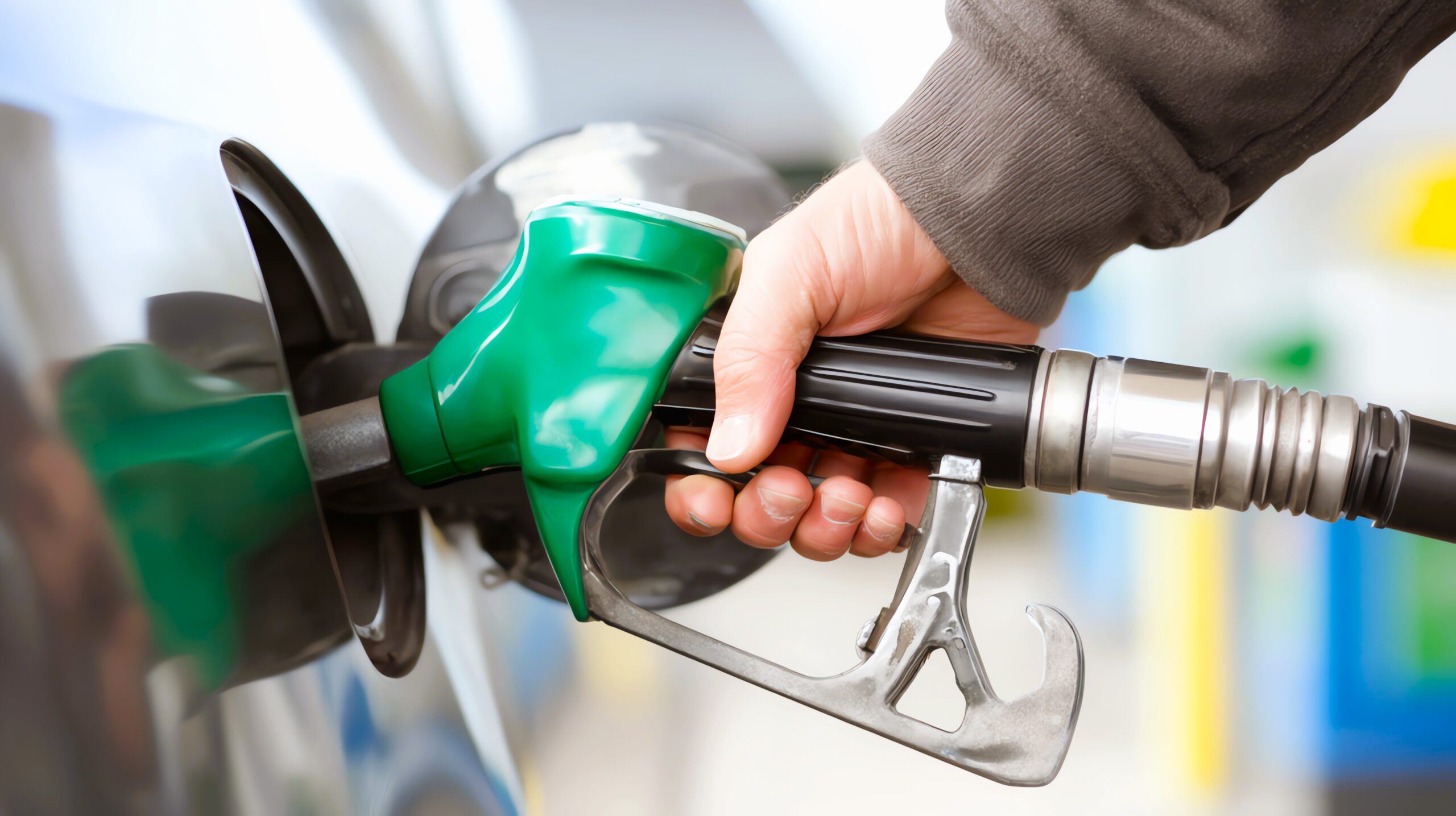
The government’s policy framework to promote E20 fuel — gasoline blended with 20% ethanol — as Thailand’s standard gasoline represents an important strategic step in strengthening the country’s long-term energy security. The move aims to reduce dependence on crude oil imports and help Thailand respond to volatility in global energy prices driven by geopolitical factors.
Thailand’s current ethanol consumption stands at approximately 3.5 million litres per day, while total gasoline consumption exceeds 30 million litres per day. If E20 is seriously promoted as the country’s standard gasoline, ethanol demand is expected to rise to more than 6 million litres per day, significantly helping to reduce oil imports.
Mr. Kittisak Watthanavekin, President of the Thai Ethanol Manufacturing Association, said that upgrading E20 to standard gasoline is a key strategy for enhancing national energy security. It would help reduce dependence on imported crude oil, stabilise fuel prices, and add value to Thailand’s agricultural raw materials, particularly sugarcane, molasses, and cassava, by converting them into bioenergy. As ethanol is produced from domestic raw materials with relatively stable costs, it can help ease the impact on living costs and transportation expenses.
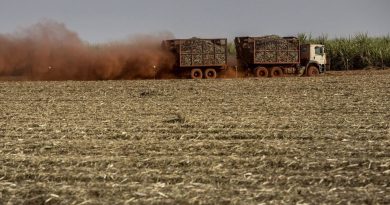
Thailand currently has more than 11 million rai of sugarcane cultivation area, producing around 90 million tonnes of sugarcane per year and approximately 10 million tonnes of sugar annually. This reflects the strong potential of the sugarcane and sugar industry to further develop into bioenergy. The industry also generates an economic value equivalent to around 8% of agricultural GDP, or approximately THB 120 billion, while circulating income back to sugarcane farmers and cassava growers.
Ms. Sureeyos Kovsurat, President of the Cassava Ethanol Association, said that Thailand’s cassava-based ethanol industry is ready to support the E20 policy in terms of raw material availability, production capacity, and plant technology. The policy would also help upgrade the cassava supply chain and create greater price stability and income security for farmers.
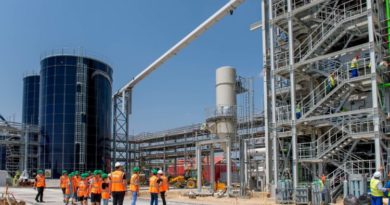
Thailand currently has a maximum ethanol production capacity of approximately 7.2 million litres per day from 28 plants nationwide, with an additional 50–60% reserve capacity. If the government fully promotes E20 usage, cassava demand for ethanol production is expected to increase by around 6 million tonnes per year. At present, only around 10% of cassava output is used in the ethanol industry.
Many ethanol plants in Thailand are hybrid facilities that can use both cassava and molasses as interchangeable feedstocks, while continuously adapting their technology to respond to changes in raw material supply. Both associations agreed that making E20 the standard gasoline would help reduce energy imports, strengthen national energy security, generate income for the agricultural sector, and support Thailand’s ambition to become a regional bioenergy hub in the future.