Mitr Phol Advances Low-Carbon Agriculture, Targets Net Zero by 2050, Connects with Green Manufacturing
Climate change is intensifying extreme weather events worldwide. According to the World Meteorological Organization (WMO)’s State of the Global Climate 2025 report, the period from 2015 to 2025 marked the 11 hottest years on record, with significant implications for agriculture and global food security. Thailand ranks 17th globally among countries most affected by extreme weather events, according to the Climate Risk Index 2026. However, the ND-GAIN Index ranks Thailand 123rd out of 192 countries in terms of climate change adaptation readiness. Meanwhile, Europe and global markets are tightening environmental regulations, including the Carbon Border Adjustment Mechanism (CBAM) and the EU Deforestation Regulation (EUDR), alongside requirements for greenhouse gas emissions disclosure across supply chains.
In response to these challenges, Mitr Phol Group has embraced sustainable business practices aligned with the United Nations Sustainable Development Goals (UN SDGs), aiming to drive economic growth while caring for society and the environment. In 2022, the Group announced its ambition to achieve net-zero greenhouse gas emissions by 2050. This commitment has translated into tangible progress, with Mitr Phol Dan Chang Complex in Suphan Buri receiving carbon-neutral complex certification in 2023, becoming Thailand’s first complex to achieve this recognition. In 2026, Mitr Phu Khiao Complex in Chaiyaphum and Mitr Phu Wiang Sugar Mill in Khon Kaen also received certification. The Group continues to expand its management systems and practices across other facilities within its network.
Buntoeng Vongkusolkit, Chairman of Mitr Phol Group, said, “Our business operations must contribute to improving the quality of life of the people around us. That is why we prioritize sustainable development across economic, social, and environmental dimensions. This requires building knowledge, understanding, and awareness among our employees, both within the organization and in the communities around us.”

“Carbon-neutral factories are an important starting point for helping Mitr Phol Group employees understand and recognize the importance of reducing greenhouse gas emissions. This awareness can lead to collective changes in working practices and make emissions reductions throughout the production process a reality, ultimately supporting our long-term Net Zero ambition. We also aim to extend these efforts to all stakeholders across our value chain, because true sustainability can only be achieved when people, communities, and the environment grow together.”
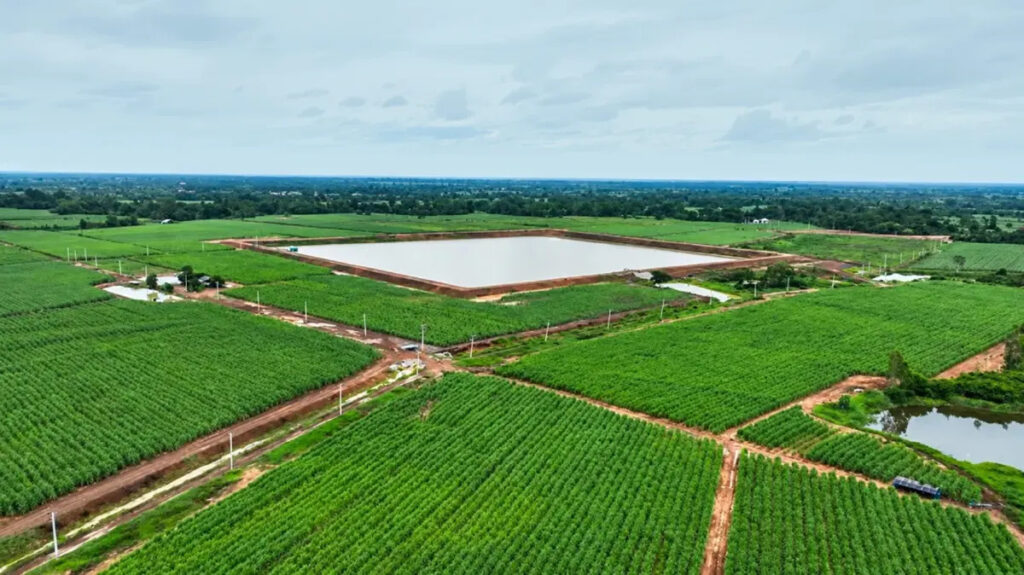
Mitr Phol Group has established a systematic transition pathway toward a low-carbon economy, covering its operations from upstream to downstream. This begins with environmentally friendly, modern sugarcane farming under the “Mitr Phol ModernFarm” initiative, guided by internationally recognized sustainability standards and programs, including Bonsucro and the VIVE Programme.
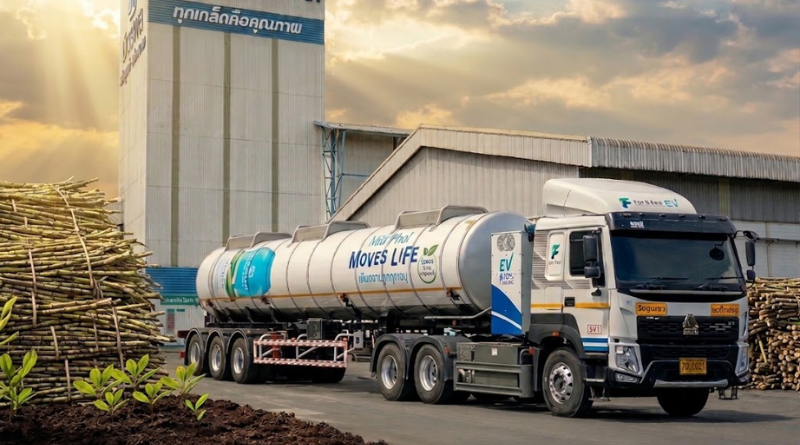
The Group is also adopting renewable energy and advanced technologies to improve production efficiency, while developing greener supply chains and environmentally friendly transportation systems. These efforts aim to extend sustainability throughout the value chain and strengthen collaboration with business partners. In addition, the Group is developing environmentally friendly packaging to promote resource efficiency, reduce environmental impacts throughout product life cycles, and support more sustainable consumption.
Mitr Phol Group’s success in developing carbon-neutral factory operations demonstrates the potential of Thailand’s agro-industrial sector to transform environmental challenges into opportunities to strengthen competitiveness and achieve long-term growth.
However, a full transition to a low-carbon economy cannot be achieved by any single organization alone. It requires collective action from all sectors, including farmers, businesses, government agencies, and consumers, working together to help Thailand achieve meaningful environmental sustainability goals.