The Future of Thailand’s Sugar Industry Starts with Sustainable Vision
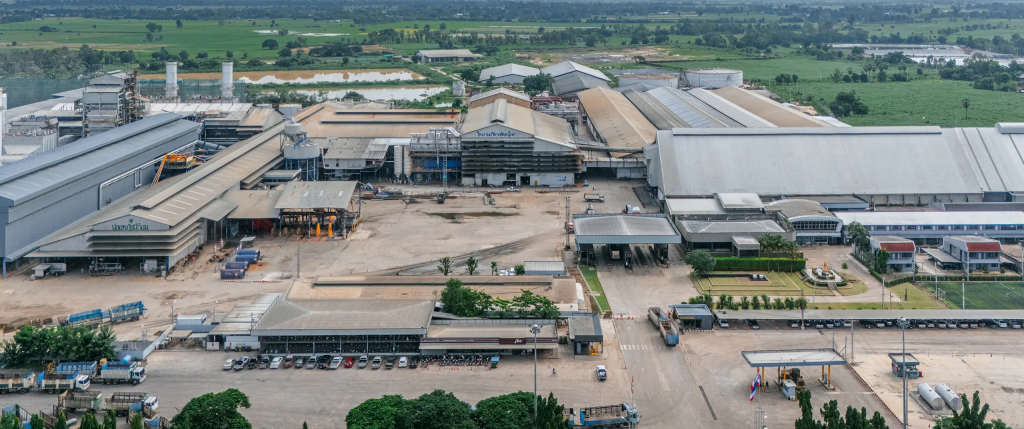
Phitsanulok Sugar Company Limited, one of the companies in the Thai Rungruang Group, is moving forward to confront the multifaceted challenges facing the cane and sugar industry in the 2025/2026 production season. These include increasingly erratic weather conditions, a shortage of skilled labor in the agricultural sector, and global economic volatility that is affecting production costs and agricultural commodity prices. As a result, the company is strengthening its management capabilities and advancing the use of technology to enhance overall resilience.
Mr. Ekkarat Techawech, Executive Director, addressed that “A modern sugar company must integrate people, technology, and farming communities to create shared value and drive sustainability.” The company is committed to achieving a balance between business growth, environmental stewardship, and farmers’ quality of life, while advancing toward a green economy and internationally recognized standards.
Amid rising expectations, the company has reaffirmed its role as a “responsible producer,” focusing on upgrading production processes, safeguarding air quality, and fostering community development. These efforts are guided by the organization’s core mission: to achieve sustainable growth through transparency and good governance, with ESG principles and the SDGs embedded at every stage of the value chain—from sugarcane fields to the company—while treating farmers as long-term partners who grow together with the company.
Empowering Farmers with Modern Technology and Mechanization to Sustainably Reduce Field Burning
Phitsanulok Sugar Company Limited has implemented a range of initiatives to upgrade the agricultural sector, including the promotion of clean, fresh sugarcane harvesting to reduce PM2.5 emissions, the purchase of sugarcane leaves, and the development of group leaders and contractors. The company also runs the “Next-Generation Cane Farmers” program to attract and nurture young talent into the industry, while supporting farmers with modern machinery to improve planting efficiency.
To this end, the company is focused on strengthening farmers’ capabilities through three key technologies, as follows:
- Harvesting Mechanization Technology
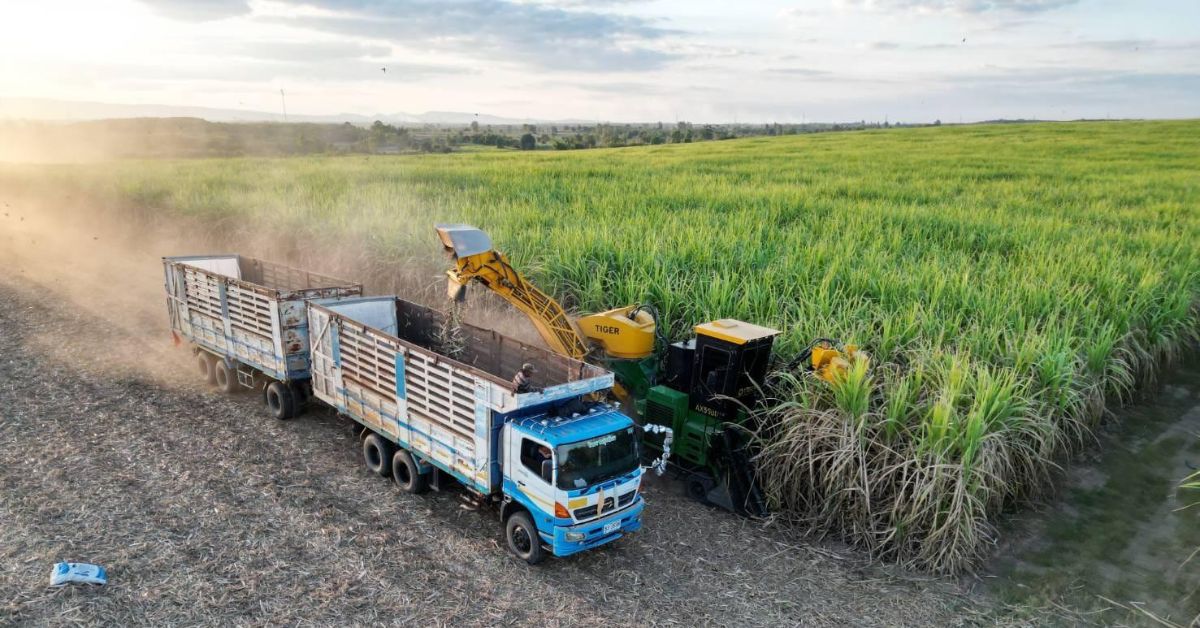
The company has adopted TIGER sugarcane harvesters, specifically developed for Thai cane fields, including small plots, sloping terrain, and diverse soil conditions. Key advantages include a robust structure, ease of maintenance, low fuel consumption, and high harvesting speed—helping to reduce farmers’ costs while increasing the proportion of fresh cane. This year, more than 200 harvesters—owned by both farmers and the company—are operating within the company’s cultivation support area. As a result, the share of fresh cane exceeded 93% in the most recent crushing season, a critical factor in reducing field burning, lowering PM2.5 emissions, and improving cane quality entering the milling process.
- Data and Digital Technology
The company has developed a real-time data platform covering the entire value chain—from planting planning and crop health monitoring to harvester tracking, logistics, and company operations. The system helps reduce errors and enhance transparency, enabling both farmers and the company to manage production with greater accuracy and efficiency.
- Energy Efficiency and Carbon Reduction Technology
The company employs high-efficiency boilers, circular waste management systems, and automated control systems, alongside the use of AI to optimize production efficiency. These technologies help reduce energy costs and lower the carbon footprint in line with the company’s Green Industry objectives.

Committed to Being a Truly Community-Friendly Company]
Phitsanulok Sugar Company Limited has reaffirmed its mission to “integrate environmental stewardship, community well-being, and integrity” through strict management of air, water, and noise quality. The company is also working closely with public and private sector partners to raise standards for fresh cane procurement and to reduce burned cane to one of the lowest levels in the country. At the same time, the company is expanding opportunities for local residents through initiatives such as a “Sugarcane Harvester Driving School” and partnerships with educational institutions to develop a new generation of skilled workers who will serve as a key driving force for the industry.
In closing, Mr. Ekkarat said, “Over the past several decades, we have grown alongside our communities, and we firmly believe that industrial development must leave no one behind—whether farmers, employees, or local residents. We will move forward together, confident that cooperation among all stakeholders will strengthen Thailand’s cane and sugar industry in a truly sustainable way.”