Gledhow Sugar Mill Back Online After R2bn Investment
Gledhow Sugar Mill in South Africa has resumed operations following an investment of nearly R2 billion by Chatthe Group, after undergoing a business rescue process in 2023. Speaking at the official reopening on 8 April, Zuko Godlimpi said the move signals renewed confidence in the country’s sugar industry, which has faced structural challenges in recent years.
The reopening has secured at least 400 direct jobs and is expected to support around 26,000 indirect livelihoods across sugarcane-growing regions. It also highlights the role of targeted investment and collaboration in stabilising supply chains and revitalising key industrial assets.
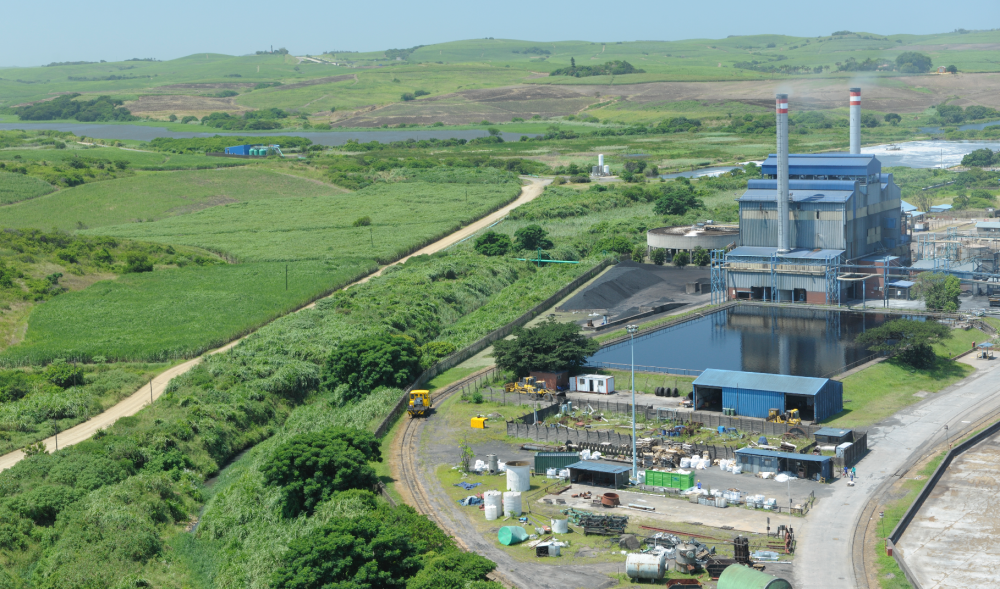
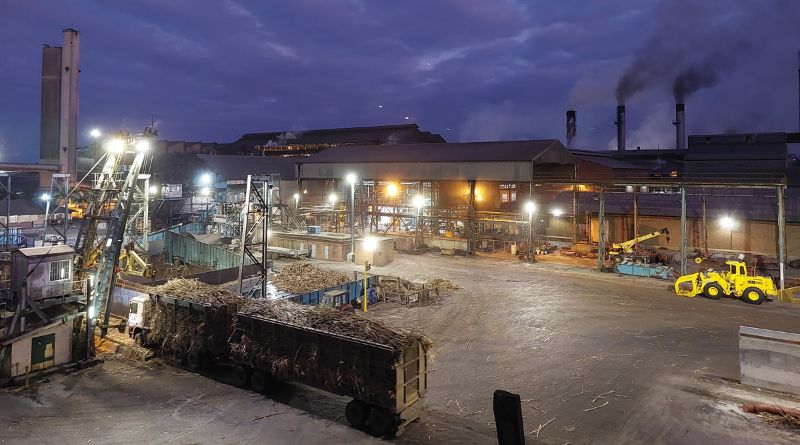
Acquired by Chatthe Group in January 2025, the Gledhow facility has undergone extensive upgrades, including full modernisation of the mill and refinery, infrastructure improvements, and the integration of renewable energy systems. Milling capacity is being increased from 300 to 450 tonnes per hour, raising annual cane throughput to approximately 2 million tonnes. The expansion phase has also engaged more than 200 local contractors, providing a short-term boost to the regional economy.
A central element of the project is its circular economy approach, aimed at maximising value from sugarcane while reducing environmental impact. Plans include producing bioethanol from molasses, supplying surplus bagasse, steam, and co-generated electricity to nearby industries such as Sappi, and manufacturing organic fertilisers from by-products for local farmers.
The long-term goal is to eliminate reliance on fossil fuels by transitioning to bagasse as the primary energy source by the 2026/27 milling season, replacing the previous use of around 200,000 tonnes of coal annually. This shift is expected to generate between 150,000 and 200,000 carbon credits per year.
The South African government has reaffirmed its commitment to supporting the sugar sector through policies focused on sustainability, job preservation, and rural economic development, while addressing pressures such as imports, declining mill viability, and uncertainty among major industry players.