Thailand Eyes Carbon Credits for Sugar Industry CCUS in Partnership with Brazil and India
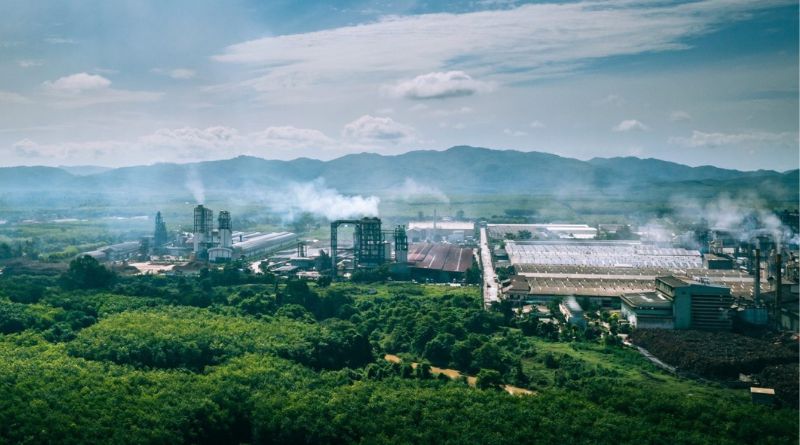
Thailand is preparing to work with Brazil and India to promote international recognition of Carbon Capture, Utilization and Storage (CCUS) in the sugar industry as an eligible carbon credit mechanism, with Thai Udon Thani Sugar Mill positioned as a model for sustainable sugar production under the BCG (Bio-Circular-Green Economy) framework.

During a visit to Thai Udon Thani Sugar Mill in Udon Thani Province, Industry Minister Varawut Silpa-archa, accompanied by Bainoi Suwanchatree, Secretary-General of the Office of the Cane and Sugar Board (OCSB), reviewed the mill’s progress in implementing BCG Economy and ESG principles to enhance environmental sustainability and operational performance.
During the 2025/2026 crushing season, Thai Udon Thani Sugar Mill processed 2.32 million tonnes of sugarcane, of which more than 97% was fresh cane, while burnt cane accounted for only 3%. The results reflect the Ministry of Industry’s policy to reduce air pollution while improving sustainability across Thailand’s sugar sector.
As the world’s third-largest sugar exporter, Thailand faces increasing pressure to meet international sustainability requirements, particularly the Carbon Border Adjustment Mechanism (CBAM). This has accelerated efforts to improve environmental performance and strengthen ESG practices throughout the industry.
Thai Udon Thani Sugar Mill has introduced Carbon Capture, Utilization and Storage (CCUS) technology to capture carbon dioxide from its production process for commercial use, including the production of dry ice. Although these activities are not yet recognised as carbon credits under current international standards, the Thai government plans to compile technical data and regulatory information before initiating discussions with Brazil and India on establishing a common framework for recognising carbon capture in the sugar industry as eligible carbon credits. If the three major sugar-producing countries reach a consensus, the proposal could contribute to future changes in international carbon credit standards.
Operated by Thai Sugar Mill Group (TSM Group), Thai Udon Thani Sugar Mill is regarded as a leading example of BCG and ESG implementation. The company converts production by-products into ethanol, bioenergy, organic fertiliser, silica and bio-based materials, while also exploring higher-value products such as carbon composites and graphene. Through the efficient use of bagasse and other sugarcane residues, the mill demonstrates a circular economy approach that reduces waste, creates additional value and supports the development of next-generation sustainable sugar products.