CSIR-IICT Develops Green Biofuel Pathway from Sugarcane Waste Using HTL Technology
Scientists at the CSIR-Indian Institute of Chemical Technology have developed a new method to convert sugarcane waste into high-quality biofuel, offering a potential boost to clean energy efforts and better use of agricultural residue in India.
The research team, led by Alka Kumari along with Chandana and T. Satish, worked under the guidance of institute director D. Srinivas Reddy. They demonstrated an advanced process to convert sugarcane bagasse into biofuel using catalytic hydrothermal liquefaction.
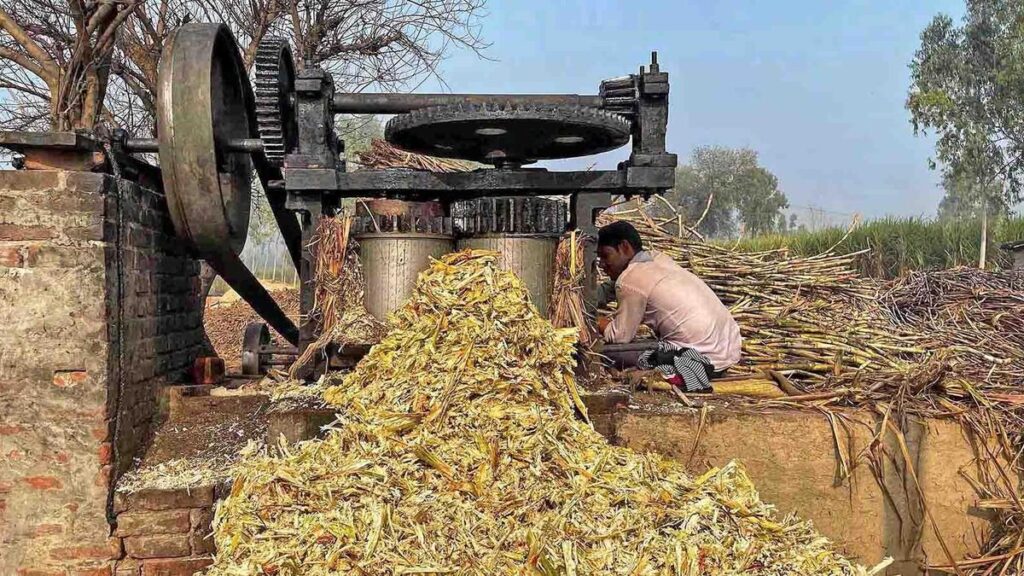
According to the study, the process makes use of deep eutectic solvents as an alternative to traditional reaction materials. These solvents act both as a catalyst and a co-solvent, helping efficiently convert sugarcane residue—estimated at 90 to 100 million tonnes annually in India—into valuable bio-oil.
The scientists reported that the process achieved a bio-oil yield of 52.8 percent under moderate conditions, more than double the yield obtained using conventional methods. The fuel quality also improved, with higher energy content ranging between 39 and 43 megajoules per kilogram, along with better chemical properties that indicate improved carbon retention.
The oil produced through this method was found to be stable and cleaner, with lower formation of unwanted by-products such as char. An environmental assessment showed that the process could reduce global warming impact by about 8 percent compared to commonly used methods.
A financial analysis suggested that the technology could deliver a return of nearly 17.6 percent on investment. For a plant producing around 33 tonnes of bio-oil annually, the cost could be recovered within three to four years. By-products were found to contribute more than 90 percent of total revenue, highlighting the economic potential of the process.
Researchers said the technology offers a sustainable pathway for second-generation biofuel production. They added that integrating this approach with existing sugar industry infrastructure could enable localised conversion of waste into fuel, supporting rural economies while advancing energy security and climate goals.