Researchers Develop High-Value Rare Sugars from Cane Sugar
Researchers at The University of Queensland (UQ) have developed microbial fermentation technology that converts raw cane sugar into high-value rare sugars. The innovation could create new opportunities for the sugar industry by enabling producers to diversify into healthier, value-added sweeteners while supporting more sustainable production.
Soft drinks and food products containing rare natural sugars with fewer calories but a taste and functionality similar to conventional table sugar could soon become more widely available as researchers develop new fermentation technologies for commercial production.
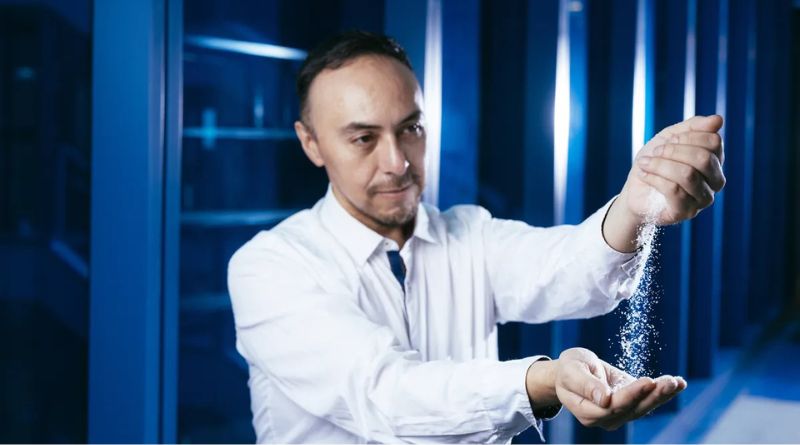
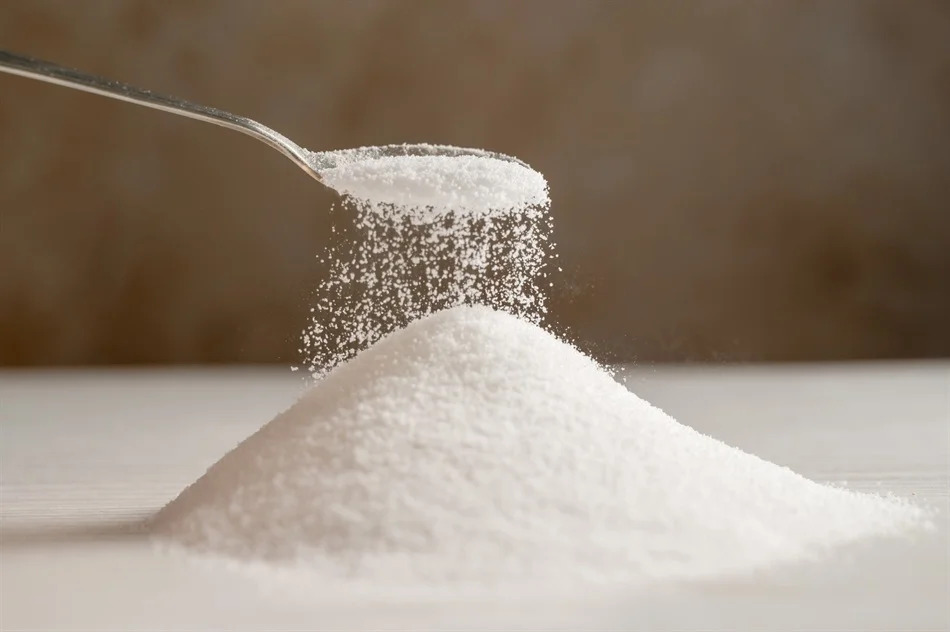
Dr Axayacatl Gonzalez said rare sugars offered the same sweetness, texture and baking properties as raw sugar but production costs meant their price tag was a barrier to wider consumer uptake. “These rare sugars occur in some fruits, and they are increasingly coveted as alternative food and beverage sweeteners by the hospitality and commercial food industries,” Dr Gonzalez said.
The health benefits are clear, and the sugar industry clearly identifies this as an opportunity to diversify their offering, but large-scale production is currently limited.
“The good news is we are able to harness natural processes in our lab to produce a variety of rare sugar molecules, using fermentation technologies which provide a sustainable alternative for the manufacturing of these molecules directly from raw sugar.”
Dr Gonzalez’s project involves an industry partnership with MSF Sugar and begins with bacteria commonly found in Queensland cane fields.

(Photo credit: The University of Queensland)
(Photo credit: The University of Queensland)
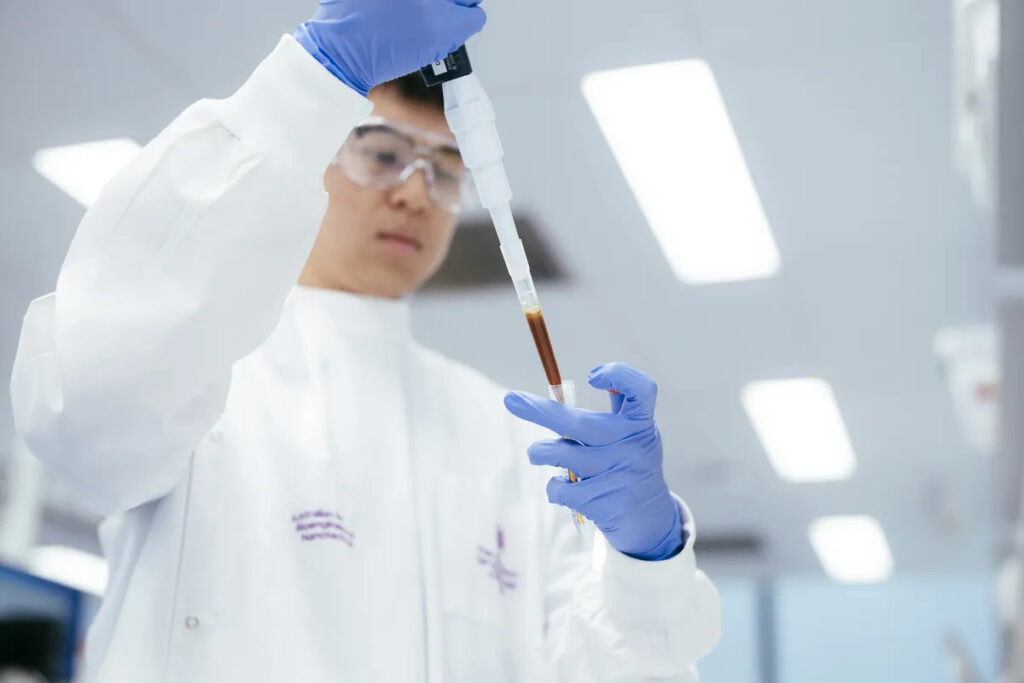
Australia’s Food and Beverage Accelerator (FaBA) R&D scientist Dr Nathan Zhong engineered the bacteria’s metabolism to create microbial cell factories that can produce rare sugars from a cane syrup feedstock. “Once we have the right bacterial strain, the equation is pretty simple: raw sugar goes in, and rare sugars come out,” Dr Zhong said.
These are products with much higher value than raw sugar because of the health and wellness benefits they offer as lower-calorie sugar alternatives.
“So far we have a library of bacterial strains capable of producing rare sugars when grown in UQ’s custom-built bioreactors.”
Australia is among the world’s largest sugar exporters alongside Brazil, India and Thailand and the industry brings in $2 billion each year to the local economy.
MSF Sugar General Manager Businesses Development, Jia Poontanasombat, said the work at the UQ Biosustainability Hub could ultimately help Australian sugar producers remain competitive internationally.
“Rare sugars are a high-value commodity that possess obvious health and economic benefits,” Ms Poontanasombat said.
“The work being done at UQ’s Biosustainability Hub is paving the way for producers to diversify their product offering in a way that meets the health needs of communities around the world.”
Federal Assistant Minister for International Education Julian Hill said the UQ Biosustainability Hub was home to 2 NCRIS-funded national research facilities, which provided researchers and industry with the tools needed to rapidly develop and scale new biosolutions.
Through NCRIS, the Government is not only supporting cutting-edge facilities and ‘kit’, but also the expertise needed to translate data into real-world outcomes.
This is about ensuring Australia remains globally competitive, while building a more productive, resilient and forward-looking economy now and for the next generation.
“The IDEABio and Q-MAP facilities are helping translate breakthrough science into real-world products and economic value.”
Dr Gonzalez is the facility manager of the cell design studio IDEABio which is housed within UQ’s Australian Institute for Bioengineering and Nanotechnology (AIBN).