
KTIS Targets 7.5 Million Tonnes of Cane in 2025/26, Enhances Production Efficiency
Mr. Somchai Suwachittanont, Assistant Chief Executive Officer and CEO of the Sugar Business for Kaset Thai International Sugar Corporation Public Company Limited (KTIS Group), expects performance to improve over 2025 due to several supporting factors across both the sugar and bio-business lines. These include biomass power plants, bagasse pulp, ethanol, and eco-friendly packaging made from 100% pure bagasse pulp.
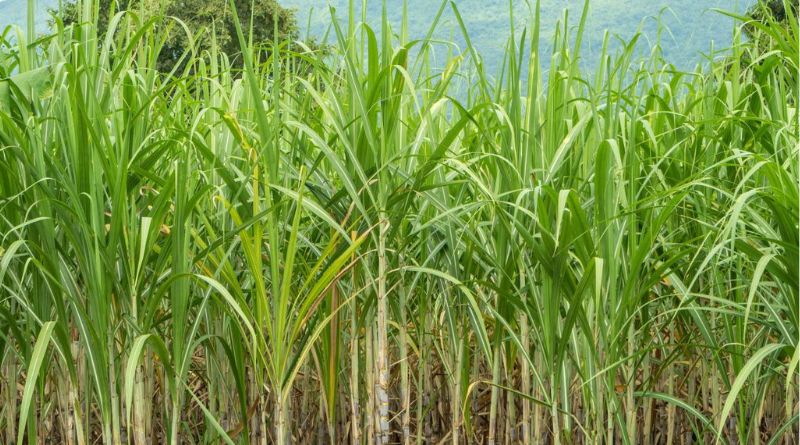
Furthermore, the positive factors across all production lines stem from the primary raw material: sugarcane. It is anticipated that the total volume of sugarcane crushed for the 2025/2026 production year will reach approximately 7.5 million tons upon the closing of the crushing season, representing a 17% increase over the previous year. This growth is attributed to favorable weather conditions and the company’s close collaboration with sugarcane farmers to provide support in planting technology, water management, and high-quality production inputs. These efforts have resulted in higher yields per Rai land, as well as improved quality and sweetness, which will lead to a significant increase in overall sugar production volume.
“This year, we expect the number of crushing days to exceed last year’s. Looking at the current figures for the KTIS Group, after approximately 60 days of operations, we have already crushed 4.1 million tons of cane and produced 4.2 million bags of sugar. Therefore, we are confident that we will reach our target of 7.5 million tons of crushed cane, which is 17% higher than the 6.4 million tons achieved last year,” said Mr. Somchai.
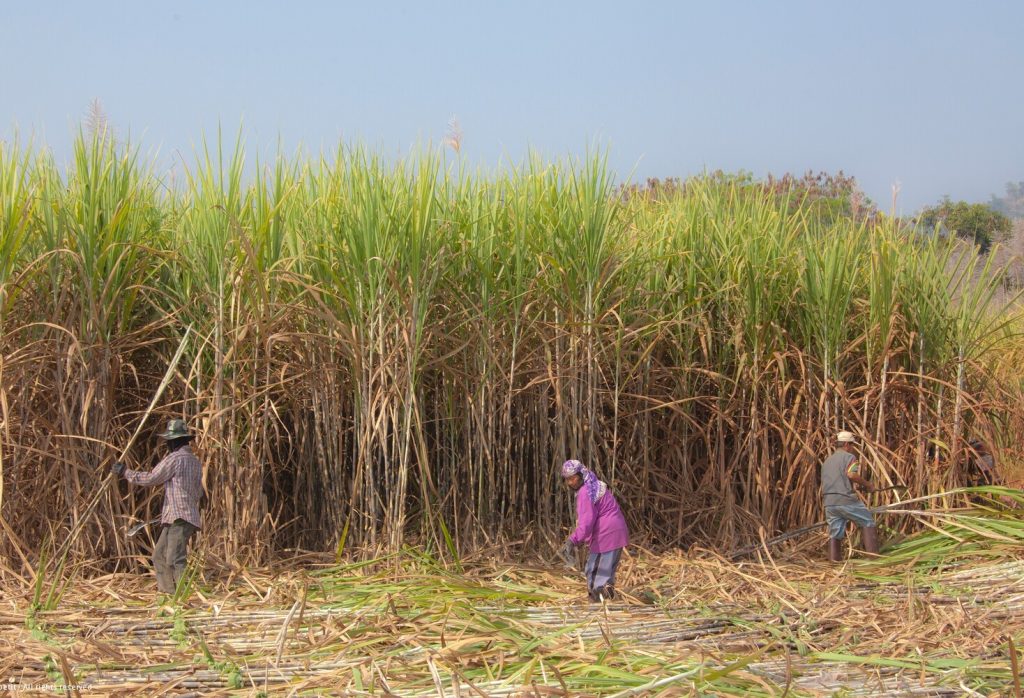
Beyond the increase in raw material volume, a key strategy implemented by the KTIS Group to reduce costs and increase revenue is the improvement of internal production processes within sugar mills and downstream plants. This focuses on reducing energy consumption at every stage, from switching to high-efficiency machinery to implementing automated systems to control cane crushing for maximum juice extraction and boiler optimization. Reducing the consumption of electricity and steam in the sugar production process not only lowers operating costs but also reduces the amount of bagasse burned as fuel, allowing it to be redirected toward the production of paper pulp and downstream products to generate additional income.


